Epilepsy Treatment involves more than controlling seizures with medication. Although anti-seizure medicines are the primary treatment for many people, other options, including lifestyle changes, dietary therapy, epilepsy surgery, and nerve stimulation, may help selected patients achieve better seizure control.
Epilepsy is a neurological condition that can affect a person’s daily activities, independence, and quality of life. With an accurate diagnosis and an individualized treatment plan, many people with epilepsy can manage their condition effectively. Understanding the available treatment options is an important step toward making informed decisions about long-term care.
What Is Epilepsy?
Epilepsy is a neurological disorder characterized by an ongoing tendency to experience unprovoked seizures. Seizures occur because of abnormal electrical activity in the brain and can affect awareness, movement, sensation, or behaviour.
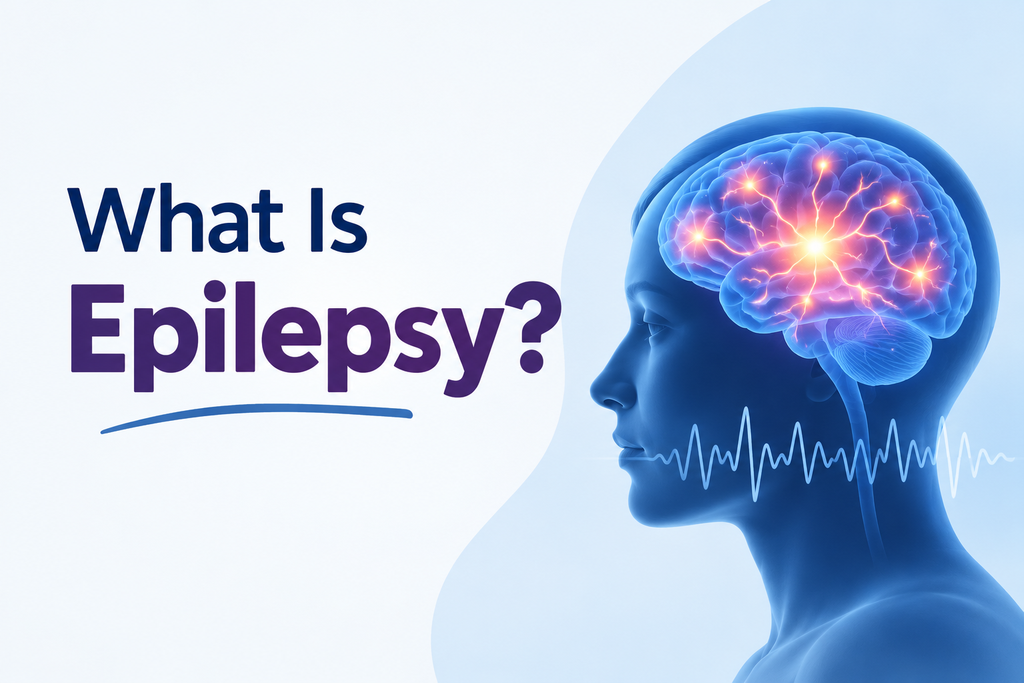
Common seizure symptoms include:
- Temporary loss of awareness or consciousness
- Uncontrolled jerking movements
- Staring spells or brief periods of unresponsiveness
- Sudden unusual sensations or feelings
- Confusion or tiredness after a seizure
Not every seizure means a person has epilepsy. Diagnosis depends on the circumstances of the seizure, medical history, and relevant investigations.
1. Anti-Seizure Medications
Anti-seizure medications are the most common treatment for epilepsy. They work by reducing abnormal electrical activity in the brain and helping prevent seizures.
The appropriate medicine depends on the type of seizure, epilepsy syndrome, age, other medical conditions, and potential side effects.
How Do Epilepsy Medications Work?
These medicines help stabilize electrical activity in the brain. Some people achieve good seizure control with a single medication, while others may require a combination.
Treatment commonly involves:
- Selecting a medicine appropriate for the seizure type.
- Starting at a suitable dose and adjusting it under medical supervision.
- Monitoring seizure frequency and possible side effects.
- Attending regular follow-up appointments.
Why Is Medication Adherence Important?
Taking medication consistently is essential for maintaining seizure control. Missing doses or stopping medication suddenly can increase the risk of seizures.
Possible side effects vary by medicine and may include fatigue, dizziness, nausea, or changes in mood. Inform your doctor about any troublesome symptoms rather than changing your dose independently.
Some people who remain seizure-free for an extended period may be able to consider reducing medication, but this decision requires an individualized assessment by their treating specialist.
2. Lifestyle Changes to Help Manage Epilepsy
Lifestyle measures can support medical treatment, although they do not replace prescribed medication.
Maintain a Regular Sleep Schedule
Sleep deprivation can trigger seizures in some people. Maintaining consistent sleep and wake times may help reduce this risk.
Identify Personal Triggers
Triggers vary from person to person. Common examples include missed medication, insufficient sleep, excessive alcohol, and illness.
Keeping a seizure diary can help identify patterns and support treatment decisions.
Manage Stress
Stress management techniques, such as gentle exercise, relaxation exercises, and structured daily routines, may help improve overall well-being.
Follow Medication and Safety Guidelines
Take medicines as prescribed and discuss precautions for bathing, swimming, driving, and other activities with your healthcare professional.
3. Dietary Therapy for Epilepsy
Dietary therapy may be considered for certain people whose seizures remain difficult to control with medication.
Ketogenic Diet
The ketogenic diet is a high-fat, very-low-carbohydrate diet that changes how the body uses energy. It can reduce seizures in some people, particularly in selected childhood epilepsy syndromes and certain cases of drug-resistant epilepsy.
Other medically supervised dietary approaches may also be appropriate.
Important: Dietary therapy should be undertaken with guidance from an epilepsy specialist and a qualified dietitian. It is not suitable for everyone and may require monitoring for nutritional deficiencies and other side effects.
4. Epilepsy Surgery
Epilepsy surgery may be an option for people whose seizures continue despite appropriate trials of two suitable, tolerated anti-seizure medication schedules.
Before surgery, specialists conduct detailed investigations to identify where seizures begin and determine whether the affected area can be treated safely.
How Can Surgery Help?
For carefully selected patients, surgery may significantly reduce seizures or, in some cases, eliminate them.
The type of procedure depends on the location of seizure onset, brain function, and the individual’s medical circumstances.
Surgery is not appropriate for every patient. A comprehensive evaluation at a specialist epilepsy centre helps determine whether its potential benefits outweigh the risks.
5. Neurostimulation Therapies
For some people with drug-resistant epilepsy who are not suitable candidates for resective surgery, neurostimulation may be considered.
Vagus Nerve Stimulation (VNS)
VNS uses an implanted device to deliver electrical impulses to the vagus nerve. It may reduce seizure frequency and severity in some patients.
Responsive Neurostimulation (RNS)
Where available and appropriate, RNS uses a device to detect certain seizure-related brain activity and deliver stimulation in response.
Deep Brain Stimulation (DBS)
DBS delivers electrical stimulation to specific brain regions involved in seizure networks. It may be considered for selected patients with difficult-to-control epilepsy.
These treatments do not guarantee complete seizure freedom, and their availability and suitability vary. A specialist can explain the potential benefits, limitations, and risks.
What Is Drug-Resistant Epilepsy?
Drug-resistant epilepsy refers to epilepsy in which seizures are not adequately controlled despite appropriate trials of two tolerated, suitably selected, and appropriately used anti-seizure medication schedules.
This does not mean that treatment options have been exhausted. A specialist may review the original diagnosis, seizure classification, medication choices, adherence, and possible contributing conditions.
Depending on the findings, further options may include medication adjustments, dietary therapy, surgery assessment, or neurostimulation.
Early referral to a comprehensive epilepsy centre can help patients explore appropriate treatment options.
How Is Epilepsy Diagnosed?
Accurate diagnosis is essential because treatment depends on the type and cause of seizures.
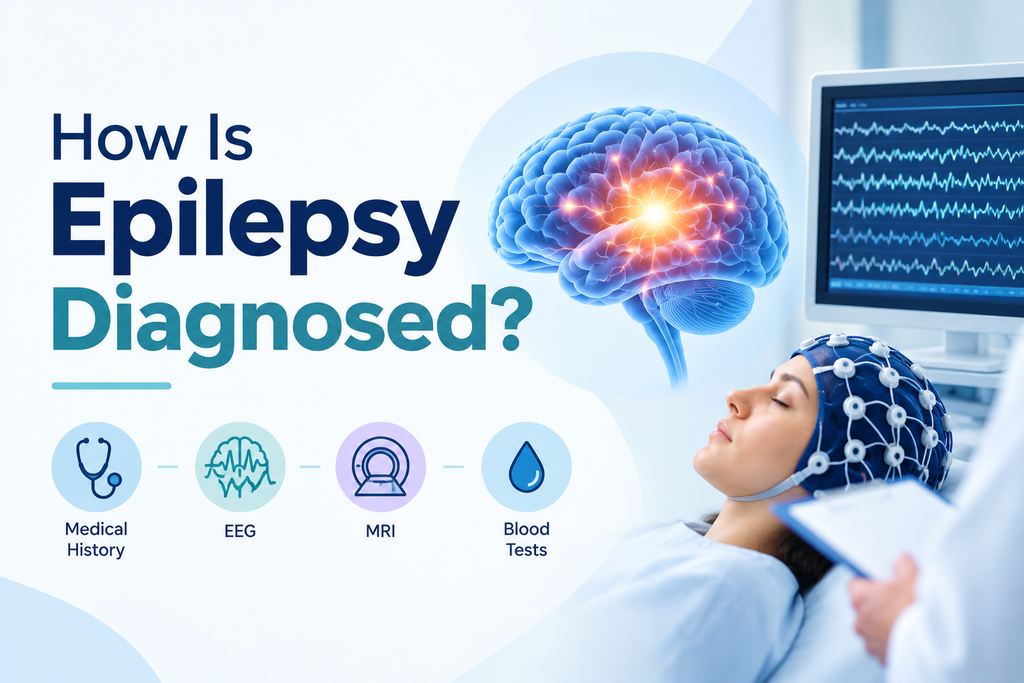
A neurologist may recommend:
- Medical history: Details of seizure episodes, symptoms, medications, and family history.
- EEG: Records electrical activity in the brain and may help identify patterns associated with epilepsy.
- MRI of the brain: Helps identify structural abnormalities when indicated.
- Blood tests: May investigate metabolic problems or other potential causes.
- Additional assessments: Selected patients may need prolonged video-EEG monitoring or other specialized investigations.
A normal EEG does not necessarily rule out epilepsy. Test results must be interpreted alongside the patient’s clinical history.
First Aid During an Epileptic Seizure
Knowing basic seizure first aid can help protect someone from injury.
- Stay calm and move dangerous objects away.
- Cushion the person’s head if possible.
- Loosen tight clothing around the neck.
- Turn the person onto their side when it is safe to do so, especially after convulsive movements stop.
- Time the seizure and stay with the person until they recover.
Never restrain the person’s movements or put anything in their mouth. Do not give food, water, or oral medication until they are fully alert.
Call emergency services if a seizure lasts five minutes or longer, another seizure follows before the person recovers, breathing is difficult, a serious injury occurs, or it is their first known seizure.
When Should You Consult a Neurologist?
Seek neurological evaluation if you or someone in your family experiences:
- A first suspected seizure
- Repeated seizures despite taking medication
- New or changing seizure symptoms
- Significant medication side effects
- Difficulty following the treatment plan
- Questions about pregnancy, daily activities, or long-term seizure management
Seek emergency care for a prolonged seizure or other urgent warning signs.
Can Epilepsy Be Controlled?
Many people achieve good seizure control with appropriate treatment, although outcomes depend on the type of epilepsy and individual circumstances.
Some people respond well to one medication, while others need additional therapies. Regular follow-up helps monitor progress, manage side effects, and adjust the treatment plan when necessary.
Epilepsy treatment should always be individualized. Do not stop or change prescribed medication without consulting your treating healthcare professional.
Frequently Asked Questions
1. What is the most common treatment for epilepsy?
Anti-seizure medication is the most common treatment. The medicine is selected according to seizure type, medical history, and individual needs.
2. Can epilepsy be treated without medication?
Medication is the primary treatment for many patients. Dietary therapy, surgery, and neurostimulation may help selected individuals, but these options require specialist assessment and do not automatically replace medication.
3. What happens if epilepsy medication does not work?
A specialist may review the diagnosis and medication history and assess whether dietary therapy, epilepsy surgery, or neurostimulation could be appropriate.
4. Can lifestyle changes prevent seizures?
Regular sleep, consistent medication use, and avoiding identified triggers may help reduce seizure risk. However, lifestyle changes cannot guarantee seizure prevention.
5. Is epilepsy surgery safe?
Epilepsy surgery can benefit carefully selected patients, but every procedure carries risks. Presurgical investigations help determine whether surgery is appropriate and assess its potential benefits.
6. Should epilepsy medication be stopped if seizures disappear?
No. Stopping medication suddenly can trigger seizures. Any reduction should be considered only with the treating specialist after an individualized assessment.
7. When should someone with epilepsy see a neurologist?
Consult a neurologist for a first seizure, recurrent seizures, treatment side effects, or seizures that remain uncontrolled despite medication. A seizure lasting five minutes or longer requires emergency medical attention.
Conclusion
Epilepsy Treatment includes several approaches beyond medication, from lifestyle adjustments and medically supervised dietary therapy to epilepsy surgery and neurostimulation for selected patients. Anti-seizure medication remains the main treatment for many people, but persistent seizures may require a more comprehensive assessment.
Recognizing seizure symptoms, following medical advice, and attending regular follow-up appointments can help improve seizure management and quality of life. If seizures continue despite treatment, consult a neurologist or epilepsy specialist to discuss further evaluation and appropriate options.