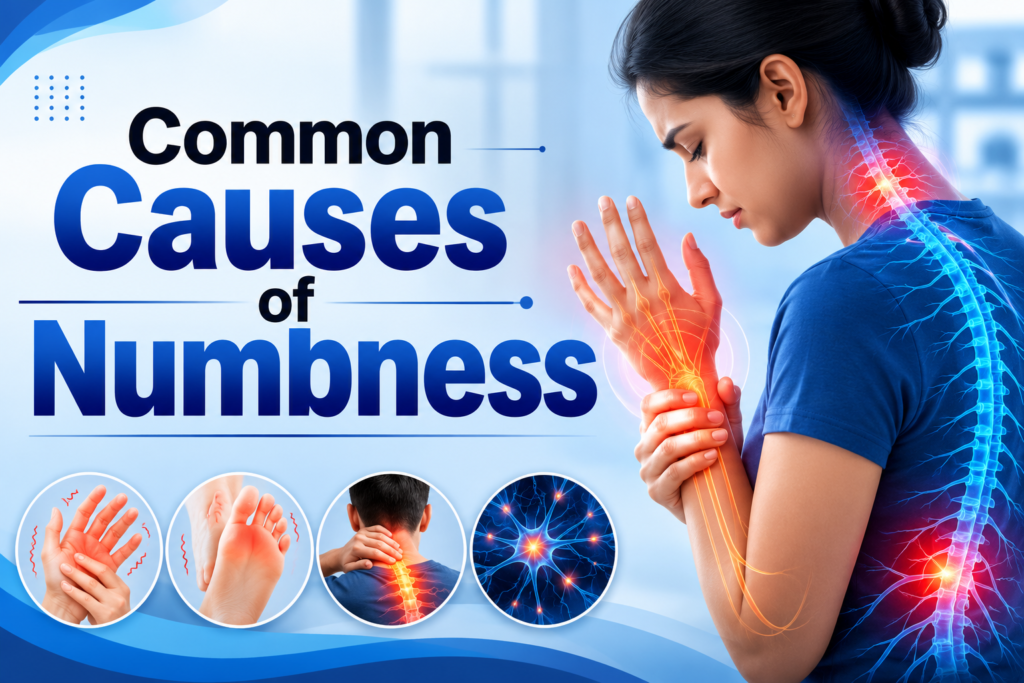
Numbness is a common symptom that many people experience at some point in their lives. It may occur after sitting in one position for too long or because of temporary pressure on a nerve. However, when numbness becomes frequent, lasts for an extended period, or is accompanied by weakness or pain, it could indicate an underlying neurological or medical condition.
Understanding the causes of numbness is essential because early diagnosis and treatment can prevent complications and improve quality of life. In this article, we’ll explore the common reasons for numbness, associated symptoms, diagnosis, treatment options, and when it’s time to consult a neurologist.
What Is Numbness?
Numbness refers to a partial or complete loss of sensation in a part of the body. It is often accompanied by tingling, commonly described as “pins and needles.” Although numbness can affect any part of the body, it most frequently occurs in the:
- Hands
- Fingers
- Arms
- Feet
- Toes
- Legs
- Face
The sensation occurs when the nerves responsible for transmitting signals between the brain and body are compressed, damaged, or affected by disease.
Common Causes of Numbness
Several health conditions can lead to numbness. Identifying the underlying cause is the first step toward effective treatment.
1. Peripheral Neuropathy
Peripheral neuropathy is one of the most common neurological causes of numbness. It develops when the peripheral nerves become damaged.
Common causes include:
- Diabetes
- Chronic alcohol consumption
- Vitamin B12 deficiency
- Certain medications
- Kidney disease
Symptoms often begin in the feet and gradually spread to the hands.
2. Nerve Compression
When a nerve is compressed or pinched, numbness may develop in the affected area.
Common conditions include:
- Carpal Tunnel Syndrome
- Cubital Tunnel Syndrome
- Sciatica
- Herniated disc
These conditions may also cause pain, weakness, or difficulty performing everyday tasks.
3. Diabetes
High blood sugar over time can damage nerves, leading to diabetic neuropathy. It usually starts with numbness or burning in the feet and may gradually involve the hands.
Proper diabetes management significantly reduces the risk of nerve damage.
4. Vitamin Deficiencies
Certain vitamins are essential for healthy nerve function.
Deficiencies of the following may cause numbness:
- Vitamin B12
- Vitamin B6
- Vitamin E
- Folate
Correcting nutritional deficiencies often improves symptoms when detected early.
5. Stroke or Transient Ischemic Attack (TIA)
Sudden numbness on one side of the body can be a warning sign of a stroke.
Seek emergency medical attention immediately if numbness occurs along with:
- Facial drooping
- Difficulty speaking
- Weakness
- Vision changes
- Loss of balance
Prompt treatment can be lifesaving.
6. Multiple Sclerosis (MS)
Multiple sclerosis is an autoimmune disease that affects the protective covering of nerves.
Early symptoms may include:
- Numbness
- Tingling
- Vision problems
- Muscle weakness
- Difficulty walking
7. Cervical Spondylosis and Spine Disorders
Age-related changes in the neck or spine can compress nerves exiting the spinal cord.
Common symptoms include:
- Neck pain
- Arm numbness
- Hand weakness
- Tingling in the fingers
8. Poor Blood Circulation
Reduced blood flow may temporarily deprive nerves of oxygen, resulting in numbness.
Common causes include:
- Peripheral artery disease
- Blood vessel disorders
- Prolonged sitting
- Crossing the legs for long periods
9. Migraine with Aura
Some individuals experience temporary numbness before or during a migraine attack.
This may affect:
- Face
- Hands
- Arms
The symptoms usually resolve once the migraine subsides.
10. Autoimmune Disorders
Conditions such as lupus, rheumatoid arthritis, and Guillain-Barré syndrome can damage nerves through immune system activity.
11. Infections
Certain infections can affect the nervous system.
Examples include:
- Shingles
- Lyme disease
- HIV
- Viral infections affecting nerves
12. Anxiety and Panic Attacks
Hyperventilation during anxiety or panic attacks may cause temporary numbness or tingling in the hands, feet, or around the mouth.
Although harmless in many cases, persistent symptoms should be medically evaluated.
Symptoms That May Accompany Numbness
Depending on the underlying cause, numbness may occur with:
- Tingling or pins-and-needles sensation
- Burning pain
- Muscle weakness
- Reduced grip strength
- Difficulty walking
- Poor coordination
- Balance problems
- Muscle cramps
- Sharp or shooting pain
Persistent or worsening symptoms should not be ignored.
When Is Numbness a Medical Emergency?
Seek immediate medical attention if numbness develops suddenly and is associated with:
- Weakness on one side of the body
- Difficulty speaking
- Confusion
- Vision loss
- Severe headache
- Loss of consciousness
- Difficulty walking
- Loss of bladder or bowel control
These symptoms may indicate a stroke or another serious neurological emergency.
How Doctors Diagnose the Cause of Numbness
A neurologist will evaluate your symptoms through a detailed assessment that may include:
Medical History
Your doctor will ask about:
- When symptoms started
- Which body parts are affected
- Existing medical conditions
- Current medications
- Family history
Physical and Neurological Examination
This helps assess:
- Muscle strength
- Reflexes
- Balance
- Coordination
- Sensation
Diagnostic Tests
Depending on your condition, your doctor may recommend:
- Blood tests
- Vitamin B12 testing
- Blood sugar testing
- MRI scan
- CT scan
- Nerve Conduction Study (NCS)
- Electromyography (EMG)
- Ultrasound in selected cases
These tests help identify nerve damage and its underlying cause.
Treatment Options for Numbness

Treatment depends on the cause.
Managing the Underlying Condition
Examples include:
- Controlling diabetes
- Treating vitamin deficiencies
- Managing autoimmune diseases
- Treating infections
- Improving blood circulation
Medications
Doctors may prescribe medications to relieve nerve pain, reduce inflammation, or treat the underlying condition.
Avoid self-medicating without professional guidance.
Physical Therapy
Physical therapy may help by:
- Improving muscle strength
- Restoring mobility
- Enhancing balance
- Reducing pain
Surgery
Surgery may be recommended if numbness results from severe nerve compression, spinal disorders, or structural abnormalities that do not improve with conservative treatment.
Lifestyle Tips to Prevent Numbness
Healthy lifestyle habits can reduce the risk of nerve problems.
- Keep blood sugar under control.
- Eat a balanced diet rich in vitamins.
- Exercise regularly.
- Maintain proper posture.
- Avoid sitting in one position for long periods.
- Stay hydrated.
- Limit alcohol consumption.
- Avoid smoking.
- Maintain a healthy weight.
- Get enough sleep.
When Should You See a Neurologist?
Consult a neurologist if you experience:
- Persistent numbness lasting several days
- Frequent episodes of numbness
- Progressive symptoms
- Numbness with muscle weakness
- Difficulty walking
- Loss of coordination
- Facial numbness
- Severe neck or back pain with numbness
Early evaluation can help identify serious neurological disorders before complications develop.
Frequently Asked Questions
1. What are the most common causes of numbness?
Common causes include peripheral neuropathy, diabetes, nerve compression, vitamin B12 deficiency, spinal disorders, poor circulation, stroke, and multiple sclerosis.
2. Can vitamin B12 deficiency cause numbness?
Yes. Vitamin B12 is essential for nerve health, and its deficiency can cause numbness, tingling, weakness, and balance problems.
3. Is numbness always caused by nerve damage?
No. Temporary numbness may result from pressure on a nerve or reduced blood flow, while persistent numbness may indicate an underlying neurological or medical condition.
4. When should I worry about numbness?
Seek immediate medical care if numbness appears suddenly, affects one side of the body, or is accompanied by weakness, difficulty speaking, vision changes, or severe headache.
5. Can anxiety cause numbness?
Yes. Anxiety and panic attacks can lead to temporary numbness or tingling, but persistent symptoms should still be evaluated to rule out other causes.
6. How is numbness diagnosed?
Diagnosis may include a medical history, neurological examination, blood tests, MRI, CT scan, nerve conduction studies (NCS), and electromyography (EMG).
7. Can numbness be treated?
Yes. Treatment depends on the underlying cause and may include medications, vitamin supplements, physical therapy, lifestyle changes, or surgery in selected cases.
8. Which doctor should I consult for persistent numbness?
A neurologist specializes in diagnosing and treating disorders of the brain, spinal cord, and nerves and is the appropriate specialist for persistent or unexplained numbness.
Conclusion
The causes of numbness range from temporary nerve compression to serious neurological conditions such as peripheral neuropathy, stroke, multiple sclerosis, and spinal disorders. While occasional numbness may not be a cause for concern, persistent, recurrent, or worsening symptoms should always be evaluated by a healthcare professional.
Timely diagnosis and appropriate treatment can prevent long-term nerve damage and improve overall quality of life. If you experience unexplained numbness or tingling, don’t delay seeking medical advice. Early intervention is often the key to successful recovery.