A stroke is a medical emergency that occurs when blood flow to a part of the brain is interrupted or reduced. Without proper blood supply, brain cells begin to die within minutes. Recognizing the early signs of stroke can help ensure timely treatment and significantly improve recovery outcomes.
Many people ignore the initial symptoms of stroke, assuming they will disappear on their own. However, every minute matters when it comes to protecting brain function and preventing long-term disability.
What Is a Stroke?
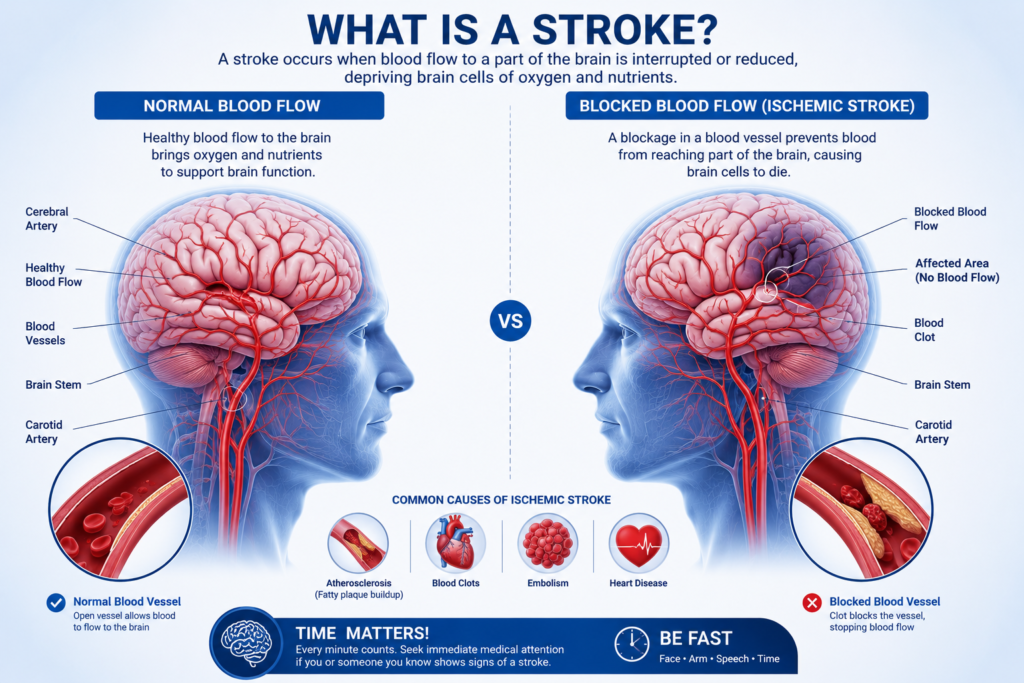
A stroke occurs when the brain does not receive enough oxygen-rich blood. There are two main types of stroke:
1.Ischemic Stroke: Caused by a blockage in a blood vessel supplying the brain.
2.Hemorrhagic Stroke: Caused by bleeding in or around the brain.
A Transient Ischemic Attack (TIA), often called a mini-stroke, can also occur and should never be ignored because it may be a warning sign of a future stroke.
Common Early Signs of Stroke
1. Sudden Weakness or Numbness
One of the most common early signs of stroke is sudden weakness or numbness in the face, arm, or leg, especially on one side of the body.
2. Facial Drooping
A person may notice that one side of the face appears uneven or droops when smiling.
3. Difficulty Speaking
Speech may become slurred, unclear, or difficult to understand. Some individuals may also struggle to find the right words.
4. Vision Changes
Sudden blurred vision, double vision, or loss of vision in one or both eyes can indicate a stroke.
5. Severe Headache
A sudden and intense headache without an obvious cause may be a warning sign, particularly in hemorrhagic stroke.
6. Loss of Balance or Coordination
Dizziness, difficulty walking, or sudden loss of coordination should never be ignored.
Remember the FAST Warning Signs
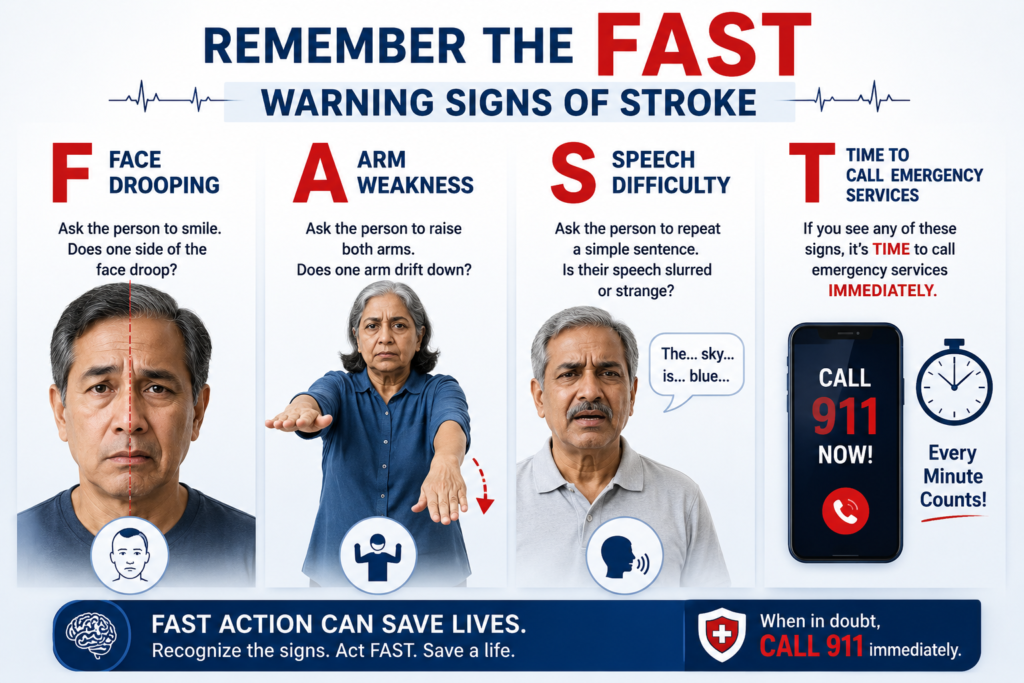
Healthcare professionals often use the FAST method to identify stroke symptoms:
F – Face Drooping
A – Arm Weakness
S – Speech Difficulty
T – Time to Seek Emergency Medical Care
If you notice any of these symptoms, seek immediate medical attention. Prompt treatment can help minimize brain damage and improve recovery.
Who Is at Risk of Stroke?
Several factors can increase stroke risk, including:
1.High blood pressure
2.Diabetes
3.High cholesterol
4.Smoking
5.Obesity
6.Heart disease
7.Family history of stroke
8.Advanced age
Managing these risk factors can significantly reduce the chances of experiencing a stroke.
What Should You Do If Stroke Symptoms Appear?
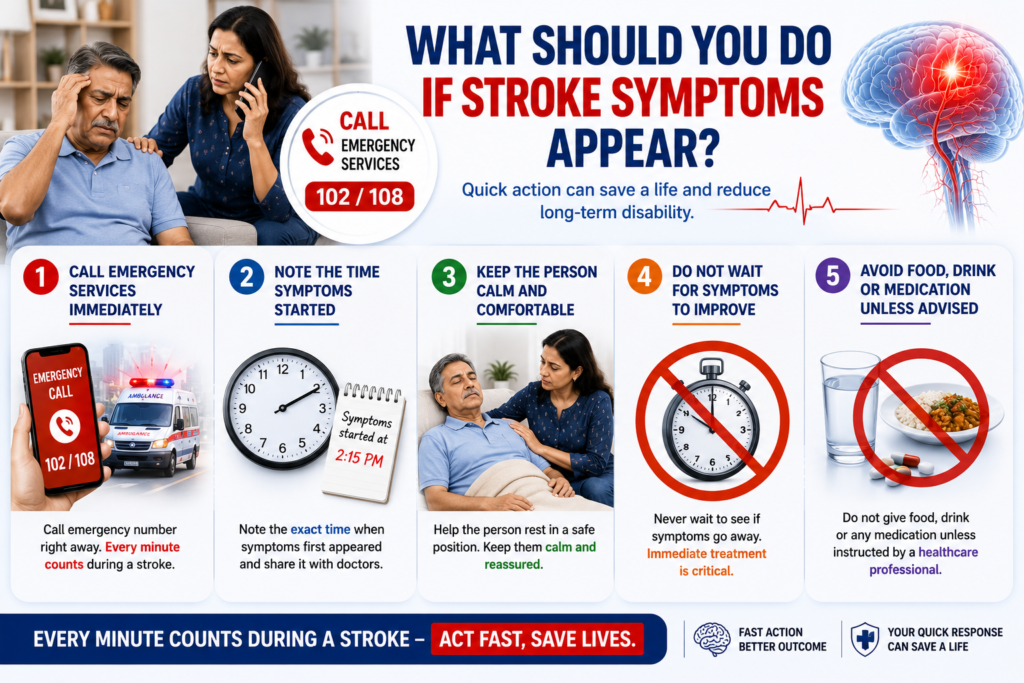
If you suspect someone is experiencing the early signs of stroke:
1.Call emergency medical services immediately.
2.Note the time when symptoms started.
3.Keep the person comfortable and calm.
4.Do not wait to see if symptoms improve.
5Avoid giving food, drink, or medication unless advised by a healthcare professional.
How a Neurologist Can Help
Early diagnosis and treatment play a crucial role in stroke recovery. A neurologist can assess symptoms, perform necessary investigations, and develop a personalized treatment plan to reduce complications and prevent future strokes.
If you are experiencing recurrent headaches, dizziness, numbness, speech difficulties, or other neurological symptoms, consulting the Best Neurologist in Delhi can help identify underlying conditions before they become serious.
Expert Neurology Care with Dr. Himank Goyal
When it comes to stroke prevention, diagnosis, and neurological care, Dr. Himank Goyal provides comprehensive evaluation and treatment for a wide range of brain and nervous system disorders. Early consultation can help detect warning signs, manage risk factors, and support long-term brain health.
Conclusion
Recognizing the early signs of stroke can save lives. Symptoms such as facial drooping, arm weakness, speech difficulties, vision changes, and sudden loss of balance require immediate medical attention. The faster treatment begins, the better the chances of recovery and reduced disability.
Never ignore warning signs. Timely action and expert neurological care can make a significant difference in stroke outcomes and overall brain health.