Frequent dizziness is a symptom that many people experience at some point in their lives. While occasional dizziness may result from dehydration, fatigue, or standing up too quickly, repeated or persistent episodes should never be ignored. In some cases, dizziness may be a sign of an underlying neurological disorder affecting the brain, nerves, or balance system.
If dizziness is interfering with your daily routine or is accompanied by other neurological symptoms, consulting a neurologist can help identify the cause and ensure timely treatment.
What Is Dizziness?
Dizziness is a broad term used to describe sensations such as:
- Feeling lightheaded
- Loss of balance
- Feeling faint
- Unsteadiness while walking
- A spinning sensation (vertigo)
Although dizziness is common, the underlying cause can vary from minor health issues to serious neurological conditions.
Common Causes of Frequent Dizziness
1. Vestibular Disorders
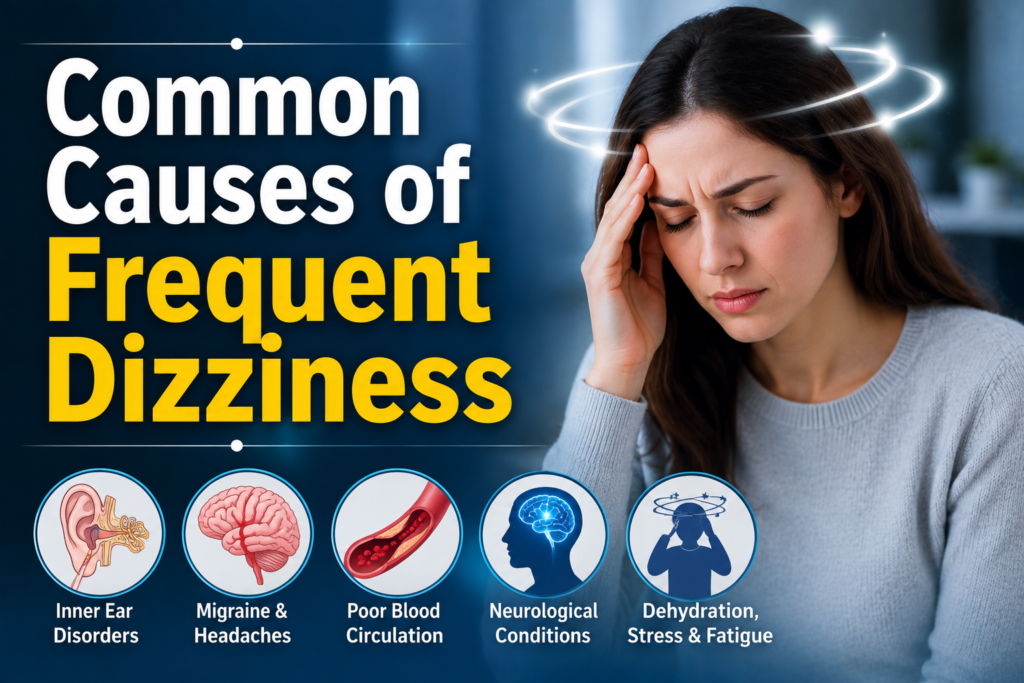
The inner ear plays a crucial role in maintaining balance. Conditions such as benign paroxysmal positional vertigo (BPPV), vestibular neuritis, and Ménière’s disease can cause repeated dizziness or vertigo.
2. Migraine-Associated Vertigo
Some people experience dizziness before, during, or even without a headache. Vestibular migraine is a common neurological condition that causes episodes of dizziness lasting from minutes to several hours.
3. Stroke or Transient Ischemic Attack (TIA)
Sudden dizziness accompanied by weakness, slurred speech, facial drooping, double vision, or difficulty walking may indicate a stroke and requires immediate emergency medical care.
4. Multiple Sclerosis (MS)
Multiple sclerosis affects the central nervous system and may cause dizziness, imbalance, blurred vision, muscle weakness, and coordination problems.
5. Peripheral Neuropathy
Damage to peripheral nerves can affect balance and increase the risk of falls, particularly in older adults and people with diabetes.
6. Cervical Spondylosis
Degenerative changes in the cervical spine may contribute to dizziness in some individuals, particularly when neck pain and stiffness are also present.
7. Brain Tumors (Rare)
Although uncommon, tumors affecting the brain or cerebellum can cause persistent dizziness along with headaches, vision changes, or coordination difficulties.
Symptoms That Should Not Be Ignored
Seek medical evaluation if dizziness occurs with:
- Persistent or recurring episodes
- Severe headaches
- Double or blurred vision
- Weakness in the arms or legs
- Difficulty speaking
- Loss of balance
- Numbness or tingling
- Hearing loss or ringing in the ears
- Frequent falls
- Difficulty walking
These symptoms may indicate an underlying neurological disorder.
When Should You See a Neurologist?
You should consult a neurologist if:
- Dizziness lasts for several days or keeps returning.
- Episodes are becoming more frequent or severe.
- You experience dizziness with numbness or weakness.
- You have difficulty walking or maintaining balance.
- Dizziness affects your daily activities or work.
- You have a history of stroke, migraine, or neurological disease.
- The cause of dizziness remains unexplained despite initial treatment.
Early neurological evaluation can help diagnose potentially serious conditions before complications develop.
How Is Frequent Dizziness Diagnosed?
A neurologist will review your symptoms, medical history, and perform a neurological examination. Depending on your condition, tests may include:
- Blood tests
- Blood pressure assessment
- MRI of the brain
- CT scan
- Hearing and balance tests
- Nerve conduction studies (when indicated)
- Vestibular function testing
These investigations help determine the exact cause of dizziness and guide treatment.
Treatment Options
Treatment depends on the underlying cause.
Medications
Doctors may prescribe medicines to control vertigo, migraines, or treat specific neurological conditions.
Vestibular Rehabilitation
Specialized physical therapy exercises can improve balance, reduce dizziness, and help the brain adapt to balance disorders.
Lifestyle Changes
Simple habits can help reduce dizziness:
- Stay well hydrated.
- Avoid skipping meals.
- Get adequate sleep.
- Stand up slowly from sitting or lying positions.
- Limit alcohol intake.
- Manage stress effectively.
- Follow your prescribed treatment plan for chronic conditions such as diabetes or hypertension.
Tips to Reduce the Risk of Falls
If you experience frequent dizziness:
- Use handrails on stairs.
- Remove loose rugs and clutter from your home.
- Wear supportive footwear.
- Avoid sudden head movements.
- Use assistive devices if recommended by your doctor.
Frequently Asked Questions
1. Is frequent dizziness a neurological problem?
It can be. Frequent dizziness may result from neurological disorders, vestibular conditions, migraines, or other medical problems. A medical evaluation is necessary to determine the cause.
2. When should I worry about dizziness?
Seek immediate medical attention if dizziness is sudden, severe, or occurs with weakness, facial drooping, slurred speech, vision changes, or difficulty walking.
3. Can migraines cause dizziness?
Yes. Vestibular migraine is a common neurological condition that can cause dizziness with or without a headache.
4. How is dizziness diagnosed?
Diagnosis may include a neurological examination, blood tests, MRI, CT scan, hearing tests, and balance assessments.
5. Which doctor should I consult for frequent dizziness?
If dizziness is persistent, recurrent, or associated with neurological symptoms, a neurologist is the appropriate specialist for evaluation and treatment.
Conclusion
Frequent dizziness is not a disease but a symptom that can have many causes, ranging from inner ear disorders to neurological conditions such as migraine, multiple sclerosis, stroke, or peripheral neuropathy. While occasional dizziness is often harmless, persistent or recurrent episodes should not be ignored, especially when accompanied by weakness, vision changes, difficulty walking, or speech problems.
Early evaluation by a neurologist can help identify the underlying cause and ensure timely treatment, reducing the risk of complications and improving your quality of life.