A stroke can bring sudden changes to a person’s movement, speech, memory, and ability to perform everyday activities. However, recovery is possible, and many patients regain important skills with appropriate medical care and rehabilitation. The recovery journey is different for everyone, depending on the severity of the stroke, the area of the brain affected, overall health, and the rehabilitation received.
Stroke recovery is a gradual process that involves medical follow-ups, physical rehabilitation, emotional support, and lifestyle adjustments. Some patients may improve within weeks, while others may need several months or longer to regain independence.
Understanding the recovery process can help patients and families prepare for the challenges ahead and make informed decisions about treatment and rehabilitation.
What Happens After a Stroke?
A stroke occurs when blood flow to part of the brain is interrupted or when a blood vessel in the brain ruptures. This can damage brain cells and affect the functions controlled by the affected area.
After emergency treatment, doctors assess the patient’s neurological condition and identify the difficulties caused by the stroke. These may include:
- Weakness or paralysis on one side of the body.
- Difficulty speaking or understanding language.
- Problems with walking, coordination, or balance.
- Memory and concentration difficulties.
- Changes in vision or sensation.
- Difficulty swallowing.
Once the patient’s condition becomes medically stable, the healthcare team evaluates their rehabilitation needs and develops an individualized recovery plan.
What Are the Different Stages of Stroke Recovery?
Stroke recovery does not follow the same timeline for every patient. However, the process can generally be understood through three broad phases.
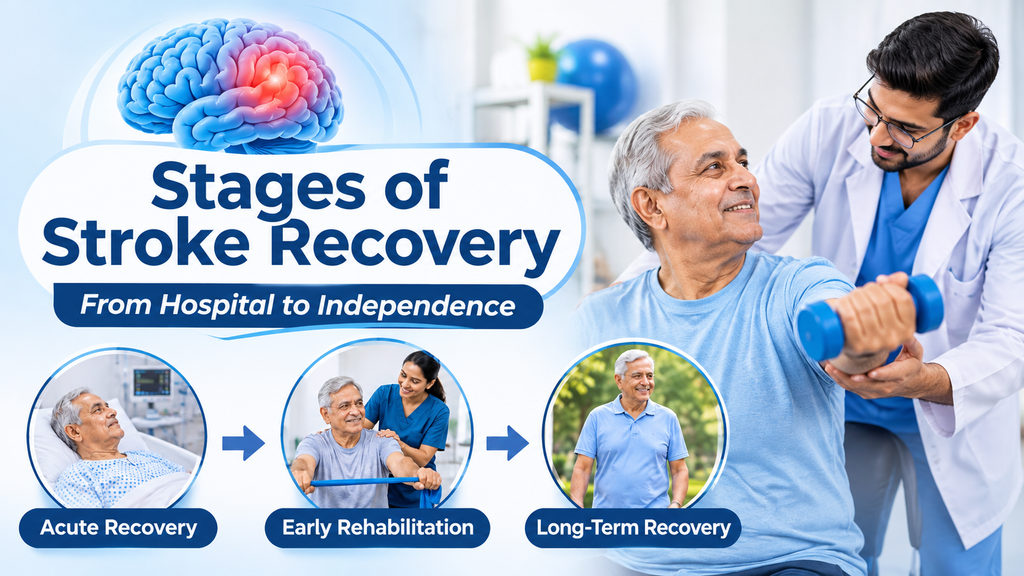
1. Acute Recovery Stage
The acute stage begins immediately after the stroke and focuses on emergency treatment and stabilizing the patient’s condition.
During this stage, doctors work to:
- Identify the type and severity of the stroke.
- Provide appropriate emergency treatment.
- Monitor brain function and vital signs.
- Prevent complications.
- Assess neurological damage and functional difficulties.
The primary objective is to protect the patient’s health and prevent further damage. Rehabilitation assessments may also begin during the hospital stay when medically appropriate.
2. Early Rehabilitation Stage
Once the patient is medically stable, rehabilitation becomes an important part of recovery. Depending on the patient’s condition, therapy may begin in the hospital and continue in a rehabilitation facility or at home.
This stage focuses on improving basic abilities, including:
- Sitting, standing, and walking.
- Moving the arms and legs.
- Performing personal care activities.
- Communicating with family members.
- Improving balance and coordination.
Therapists create exercises according to the patient’s abilities and gradually adjust the rehabilitation plan as progress is made.
3. Long-Term Recovery Stage
Long-term recovery focuses on improving independence and managing any remaining difficulties.
Patients may continue working on:
- Muscle strength and mobility.
- Speech and communication.
- Memory and concentration.
- Daily activities such as dressing and eating.
- Emotional well-being and social interaction.
Some patients continue making improvements for months or years after a stroke. Regular assessments help identify changing needs and determine whether rehabilitation goals should be adjusted.
How Long Does Stroke Recovery Take?
One of the most common questions families ask is how long recovery will take after a stroke.
There is no fixed recovery timeline. Some patients experience noticeable improvements within days or weeks, while others require longer rehabilitation.
Several factors influence recovery:
Severity of the stroke: Larger or more severe strokes may cause greater neurological damage and require longer rehabilitation.
Area of the brain affected: Different brain regions control movement, speech, memory, vision, and other functions. The affected area influences the difficulties a patient experiences.
Age and general health: Overall health, existing medical conditions, and physical fitness can influence rehabilitation progress.
Early medical care: Timely stroke treatment can help reduce brain damage and improve the chances of a better outcome.
Rehabilitation consistency: Regular participation in an appropriate rehabilitation programme helps patients practise and relearn affected skills.
The fastest improvements often occur during the first few months, but recovery can continue beyond this period.
Common Problems Patients May Experience After a Stroke
The effects of a stroke can vary significantly. Some patients experience physical difficulties, while others face communication, cognitive, or emotional challenges.
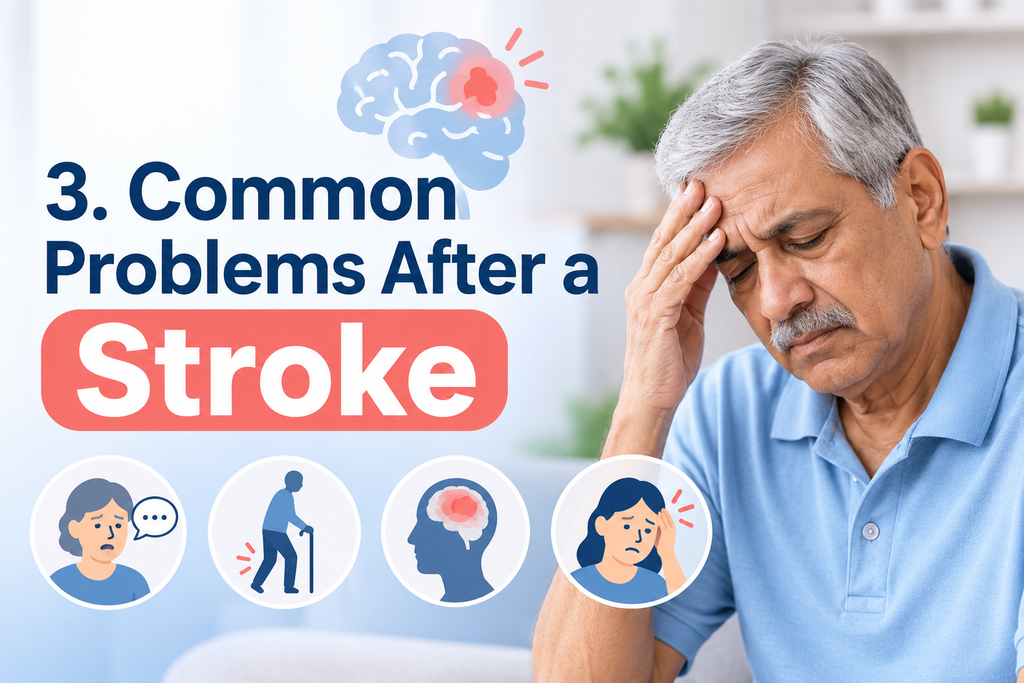
1. Muscle Weakness or Paralysis
A stroke can affect the brain areas responsible for controlling movement. Patients may experience weakness or paralysis in the face, arm, or leg, often on one side of the body.
2. Speech and Communication Problems
Some patients experience difficulty speaking, understanding words, reading, or writing. Speech and language therapy can help improve communication abilities.
3. Walking and Balance Difficulties
Damage to certain brain regions can affect coordination and balance. Patients may need support while standing or walking and may benefit from physical therapy.
4. Memory and Concentration Problems
Stroke can affect thinking abilities, including attention, memory, and problem-solving. Cognitive rehabilitation may help patients develop strategies to manage these difficulties.
5. Emotional Changes
Anxiety, depression, frustration, and mood changes can occur after a stroke. Emotional health should be considered an important part of the recovery process.
6. Swallowing Difficulties
Some patients experience problems swallowing food, liquids, or medication. A proper swallowing assessment is important because swallowing difficulties can increase the risk of choking and aspiration.
How Does Stroke Rehabilitation Help Recovery?
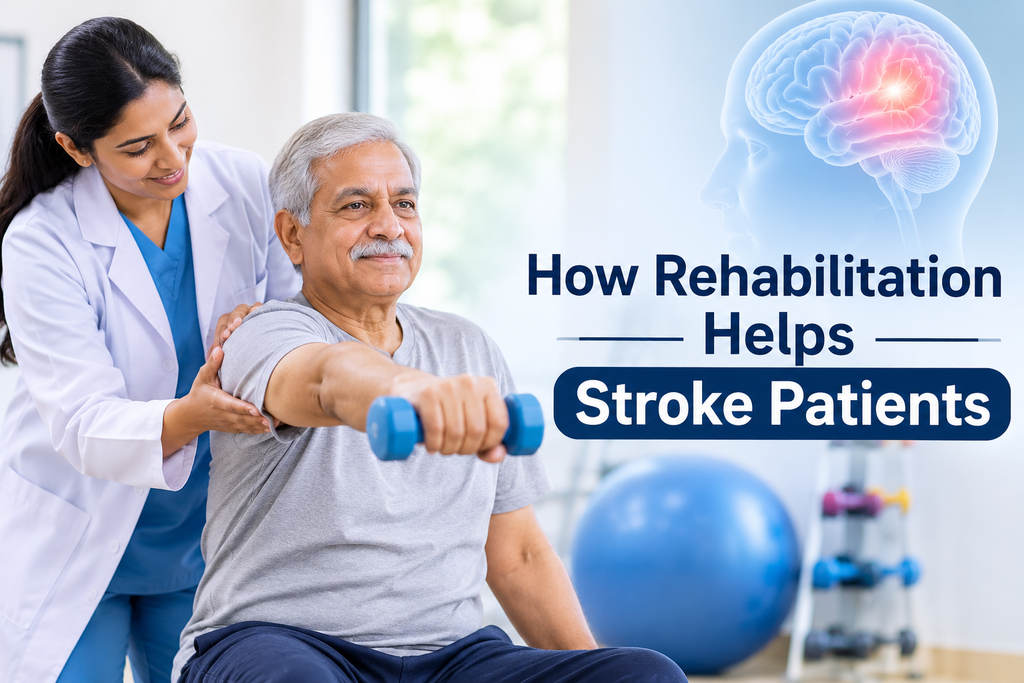
Rehabilitation is an important part of helping patients regain independence after a stroke. It involves different therapies depending on the patient’s symptoms and recovery goals.
Physical Therapy
Physical therapy helps patients improve strength, movement, coordination, and balance.
It may include:
- Walking and balance exercises.
- Muscle strengthening activities.
- Movement and flexibility exercises.
- Training to improve mobility.
Occupational Therapy
Occupational therapy helps patients relearn everyday activities and become more independent.
It may focus on:
- Dressing and personal hygiene.
- Eating and grooming.
- Using household objects.
- Improving hand and arm coordination.
Speech and Language Therapy
Patients with communication or swallowing difficulties may benefit from speech and language therapy.
Treatment may involve:
- Speech practice.
- Language and communication exercises.
- Improving understanding and expression.
- Swallowing assessments and appropriate therapy.
Cognitive Rehabilitation
Cognitive rehabilitation focuses on difficulties involving memory, attention, concentration, and problem-solving.
Therapists may recommend structured activities and practical strategies to help patients manage everyday tasks.
The rehabilitation plan should be coordinated by an appropriate healthcare team and reviewed regularly according to the patient’s progress.
How Can Family Members Support Stroke Recovery?
Family support can make a meaningful difference in the recovery journey. Patients may experience physical limitations and emotional challenges, making encouragement and assistance especially important.
Here are some ways families can help:
- Encourage rehabilitation: Support the patient in following the recommended therapy schedule.
- Create a safe environment: Remove obstacles, improve lighting, and install appropriate safety equipment when needed.
- Support medication adherence: Help patients follow their prescribed medication schedule.
- Provide emotional support: Be patient and encourage gradual progress.
- Maintain follow-up appointments: Ensure regular medical assessments and rehabilitation reviews.
- Recognize emotional changes: Seek professional support if the patient experiences persistent sadness, anxiety, or behavioural changes.
Caregivers should also look after their own physical and emotional well-being.
Can Patients Fully Recover After a Stroke?
Some patients recover most or all of their previous abilities, while others may experience lasting difficulties. The outcome depends on several factors, including the severity of the stroke, the location of brain damage, overall health, and response to rehabilitation.
The brain has some ability to reorganize its functions, allowing other neural pathways to help support skills affected by the stroke. Rehabilitation uses repeated, structured practice to help patients relearn abilities and develop alternative ways of performing daily activities.
Even when complete recovery is not possible, rehabilitation can help improve independence, safety, and quality of life.
How to Prevent Another Stroke During Recovery
Patients who have experienced a stroke have an increased risk of another stroke. Managing risk factors and following medical advice are important parts of long-term care.
Some preventive measures include:
- Monitoring and controlling blood pressure.
- Managing diabetes and cholesterol.
- Taking prescribed medicines regularly.
- Following a balanced and healthy diet.
- Avoiding smoking and tobacco products.
- Maintaining physical activity as recommended by the doctor.
- Attending regular medical follow-ups.
Patients should never stop or change prescribed medication without consulting their treating doctor.
When Should You Consult a Neurologist After a Stroke?
Regular neurological follow-ups help monitor recovery, manage complications, and identify additional rehabilitation needs.
Consult a neurologist if the patient experiences:
- Persistent weakness or difficulty moving.
- Ongoing speech or communication problems.
- Memory or concentration difficulties.
- Frequent dizziness or balance problems.
- New or worsening neurological symptoms.
- Difficulty managing post-stroke complications.
Important: Sudden facial drooping, weakness in an arm or leg, speech difficulty, sudden vision loss, or other possible stroke symptoms require immediate emergency medical attention. Do not wait for a routine neurological appointment.
Conclusion
Stroke recovery is a gradual and individualized journey. While some patients regain their abilities relatively quickly, others require long-term rehabilitation and medical support. Physical therapy, occupational therapy, speech therapy, cognitive rehabilitation, and emotional care can all contribute to improving daily functioning.
Early rehabilitation when medically appropriate, consistent follow-ups, healthy lifestyle habits, and family support can help patients work towards greater independence.
Dr. Himank Goyal provides neurological consultation and care for patients with various neurological conditions, including stroke. Patients experiencing post-stroke difficulties should seek appropriate medical guidance to understand their condition and discuss a suitable recovery plan.
Book a neurological consultation with Dr. Himank Goyal to discuss stroke-related concerns and ongoing neurological care.