
Seizures are sudden episodes of abnormal electrical activity in the brain that can affect movement, behavior, awareness, or consciousness. While many people associate seizures with epilepsy, there are several other medical conditions that can trigger seizures in adults. Understanding the underlying cause is essential for proper diagnosis, treatment, and prevention of future episodes.
Introduction
Common Causes of Seizures in Adults include epilepsy, stroke, head injuries, brain tumors, infections, and metabolic disorders. Seizures occur when there is sudden abnormal electrical activity in the brain, leading to changes in movement, behavior, awareness, or consciousness. Understanding the underlying cause of seizures is essential for accurate diagnosis and effective treatment. Identifying the reason behind a seizure can help prevent future episodes and improve overall quality of life.
What Is a Seizure?
Before discussing the common causes of seizures in adults, it is important to understand what a seizure is and how abnormal electrical activity in the brain triggers symptoms.A seizure occurs when there is a temporary disturbance in the brain’s electrical signals. Depending on the area of the brain involved, symptoms can range from brief staring spells and confusion to loss of consciousness and uncontrolled body movements.
A single seizure does not necessarily mean a person has epilepsy. Epilepsy is a neurological disorder characterized by recurrent, unprovoked seizures.
Common Symptoms of Seizures in Adults
Many of the common causes of seizures in adults share similar risk factors, including a history of stroke, brain injury, infections, and substance abuse.Seizure symptoms can vary significantly from person to person. Common signs include:
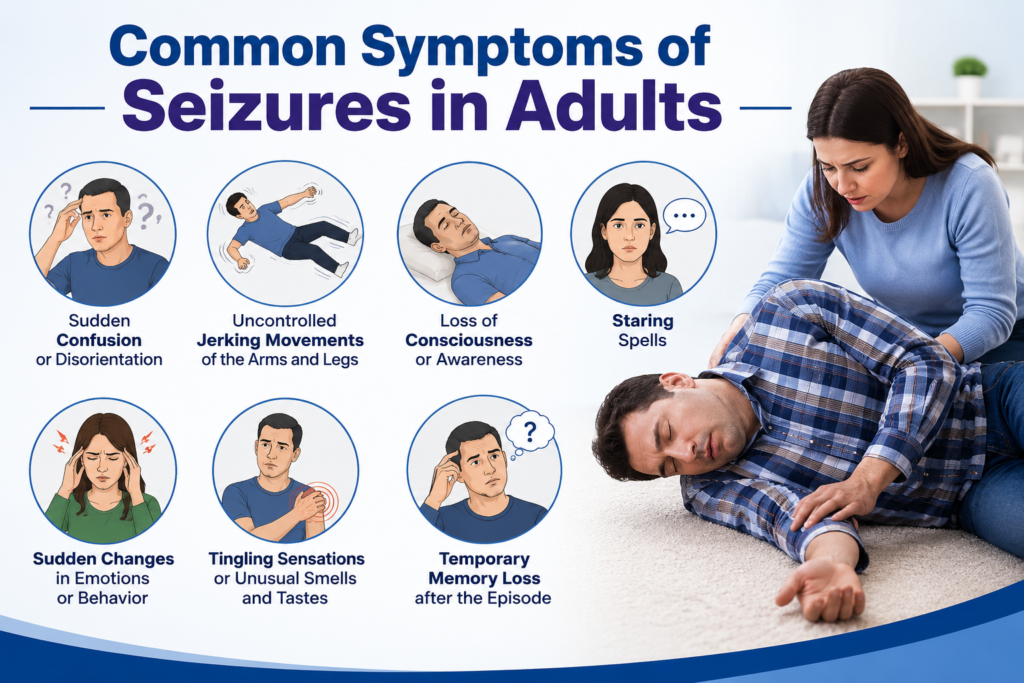
- Sudden confusion or disorientation
- Uncontrolled jerking movements of the arms and legs
- Loss of consciousness or awareness
- Staring spells
- Sudden changes in emotions or behavior
- Tingling sensations or unusual smells and tastes
- Temporary memory loss after the episode
Common Causes of Seizures in Adults
Treatment depends largely on the underlying condition responsible for the common causes of seizures in adults. Identifying the exact cause allows neurologists to recommend the most effective treatment plan.
1. Epilepsy
Epilepsy is one of the most common causes of recurrent seizures. It occurs when the brain develops a tendency to generate repeated seizure activity. While some forms of epilepsy begin in childhood, others may develop during adulthood.
2. Head Injury or Brain Trauma
A significant blow to the head from accidents, falls, or sports injuries can damage brain tissue and increase the risk of seizures. Some individuals may experience seizures immediately after the injury, while others develop them months or years later.
3. Stroke
Stroke is a leading cause of seizures in older adults. When blood flow to part of the brain is interrupted, brain cells can become damaged, leading to abnormal electrical activity and seizures.
4. Brain Tumors
Both benign and malignant brain tumors can irritate surrounding brain tissue and trigger seizures. In some cases, a seizure may be the first symptom that leads to the discovery of a brain tumor.
5. Central Nervous System Infections
Infections affecting the brain and spinal cord can increase the risk of seizures. These include:
- Meningitis
- Encephalitis
- Brain abscesses
Prompt medical treatment is essential to prevent complications.
6. Metabolic and Electrolyte Imbalances
The brain depends on a delicate balance of chemicals and nutrients to function properly. Conditions that disrupt this balance can trigger seizures, including:
- Low blood sugar (hypoglycemia)
- Low sodium levels (hyponatremia)
- Kidney disease
- Liver disease
- Severe dehydration
7. Alcohol and Drug Withdrawal
Suddenly stopping heavy alcohol consumption can cause withdrawal seizures. Withdrawal from certain medications or recreational drugs may also increase seizure risk.
8. Sleep Deprivation
Lack of sleep can lower the brain’s seizure threshold, making seizures more likely in susceptible individuals. Maintaining a regular sleep schedule is particularly important for people with epilepsy.
9. Neurodegenerative Disorders
Conditions such as Alzheimer’s disease and other forms of dementia may increase the risk of seizures, especially in older adults.
10. Genetic Factors
Certain inherited conditions can make individuals more prone to seizures. A family history of epilepsy may increase the likelihood of developing seizure disorders.
Risk Factors for Adult-Onset Seizures
Several factors can increase the risk of experiencing seizures during adulthood:
- Family history of epilepsy
- Previous brain injury
- History of stroke
- Brain infections
- Alcohol or substance abuse
- Brain tumors
- Neurological disorders
When Should You See a Neurologist?

Medical evaluation is recommended if you experience:
- A first-time seizure
- Recurrent seizure episodes
- Loss of consciousness without explanation
- Seizures associated with injury
- Memory problems following a seizure
- Sudden confusion or unusual behavior
Early diagnosis can help identify the underlying cause and prevent future complications.
How Are Seizures Diagnosed?
A neurologist may recommend several tests, including:
Medical History and Neurological Examination
A detailed review of symptoms, family history, and possible triggers.
Electroencephalogram (EEG)
An EEG records electrical activity in the brain and helps identify abnormal patterns associated with seizures.
Brain Imaging
MRI and CT scans can detect structural abnormalities such as tumors, stroke damage, or brain injuries.
Blood Tests
These help identify infections, metabolic disorders, or electrolyte imbalances that may trigger seizures.
Treatment Options for Seizures
Treatment depends on the underlying cause and frequency of seizures.
Anti-Seizure Medications
Many patients achieve good seizure control with medication prescribed by a neurologist.
Treatment of Underlying Conditions
Managing infections, metabolic disorders, tumors, or other medical problems can reduce seizure risk.
Lifestyle Modifications
- Getting adequate sleep
- Managing stress
- Avoiding excessive alcohol
- Taking medications consistently
Surgical Treatment
In selected cases where seizures do not respond to medication, surgery may be considered.
Tips to Reduce Seizure Risk
- Take prescribed medications regularly
- Maintain a consistent sleep schedule
- Avoid alcohol and recreational drugs
- Stay hydrated
- Manage chronic medical conditions
- Attend regular neurological follow-ups
- Avoid known seizure triggers
Conclusion
Seizures in adults can result from a wide range of causes, including epilepsy, stroke, head injuries, brain tumors, infections, and metabolic disorders. Identifying the underlying cause is crucial for effective treatment and long-term seizure control. If you or a loved one experiences a first-time or recurrent seizure, seeking prompt evaluation from a neurologist can help ensure accurate diagnosis and appropriate care.The common causes of seizures in adults include epilepsy, stroke, head injuries, brain tumors, infections, and metabolic disorders. Recognizing these common causes of seizures in adults can lead to earlier diagnosis, better treatment outcomes, and improved quality of life.